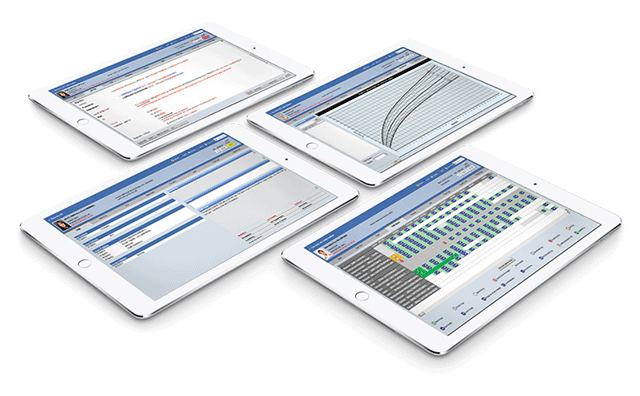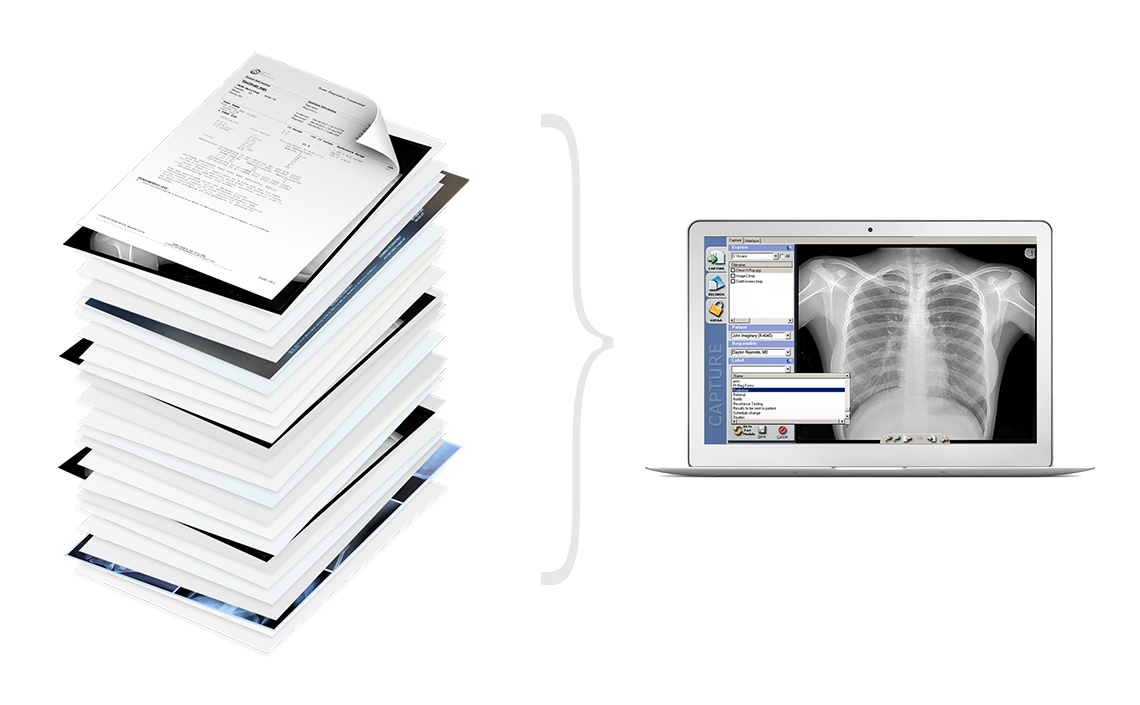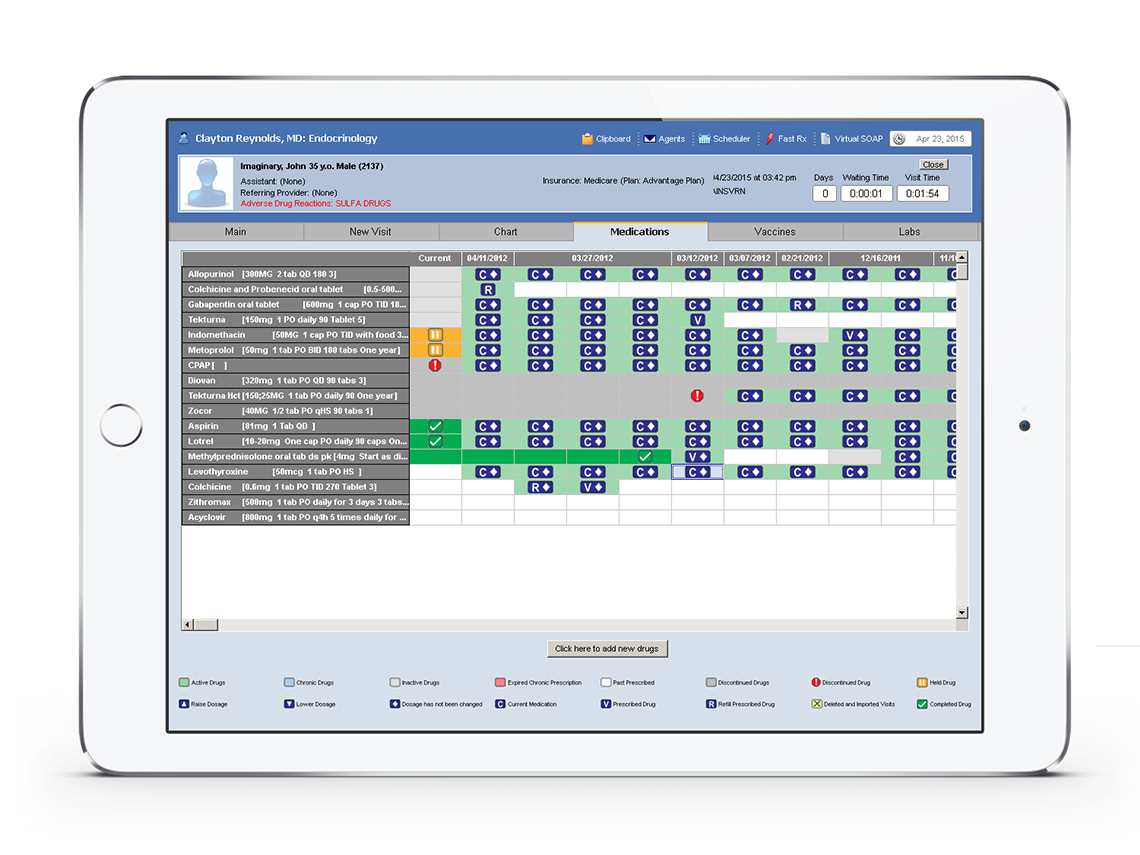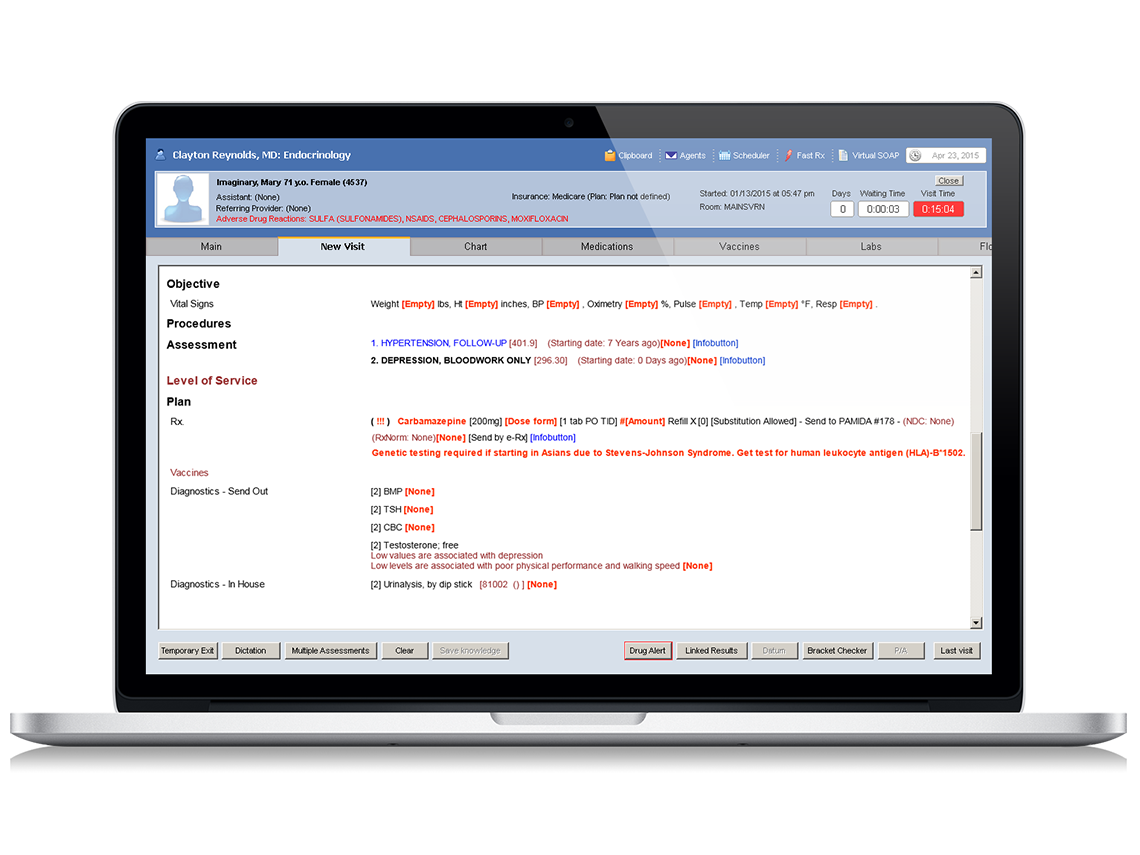
| Template-based Electronic Medical Records have been pushed by the software industry as an acceptable way to document medicine and render uniform care to patients. Several industry experts claim that templates and their underlying structured language will pave the way towards standardized medical documentation, promote interoperability of systems, and allow third parties the ability to utilize your results for the good of medicine as a whole. Some even claim that by using a template-based EMR, with structured language embedded, medical costs will be lowered, and the practice of medicine improved.
Nothing could be farther from the truth.
The reality is that instead of enhancing your ability to give quality care to your patients, templates waste your precious time, curtail your revenues, and reduce your freedom of expression. With the use of templates, your personal style of practicing medicine and the ease and effectiveness of your approach are lost. Templates, in short, are not beneficial to you, and are bad medicine for your patients.
An EMR template is nothing more than boilerplate, written by a third party or "expert" to input clinical data. The inflexibility of templates results in a series of fundamental problems that will crop up during everyday use:
Problem 1:
EMR templates are generated by someone else, using their words, their methodology, and, most importantly, their judgment. The template approach assumes that the maker of the system knows more about medicine than you, the actual physician user. Of even greater concern, this approach assumes that the template manufacturer knows what you are thinking and what you will be required to do at the point of care. The notion that a template manufacturer knows more about a physician's practice than the actual physician is patently absurd.
Problem 2:
It is impossible for someone else to create a template that thinks like its user. Therefore, a template designer must devise a structured format applicable to the majority of encounters you are likely to see. The result is a progression of cumbersome pick-lists that you must sort through in order to make the template fit each particular encounter. Even if the pick-lists were appropriate to the case at hand, finding text that someone else devised in endless pick-lists couldn't be more time-consuming or frustrating. Obviously, template text created by someone else is far more difficult to read than self-written text. From the order of symptoms and physical findings to the approach you use to treat each patient, everything is more natural when utilizing your own methodology, thinking process, and experience rather than someone else's.
Problem 3:
The best medicine cannot always be found in a book. Often, it is based on your personal experience, your individual style, and your own thinking process. As you know, medicine is not only a science but also very much an art form. Therefore, a template cannot possibly take into account your individual uniqueness, not to mention the uniqueness of your patients. In fact, templates force you to constantly regulate and change your style of practice to that of a cookie-cutter, one-size-fits-all approach.
For further reflection on this topic, see What Templates Don't Understand by Clayton L. Reynolds, MD.
Problem 4:
Templates are legally dangerous. Your templates can actually be subpoenaed during the discovery phase of a malpractice suit. Imagine how pleased a plaintiff's attorney would be to find that your entire practice could be reduced to a series of structured statements and factoids. Suddenly, the art of medicine is diminished, and you appear as a mere technician forcing your patients into a single mold. For this reason if no other, templates are an extremely bad idea. |
| Despite today's claims of "smart templates," “templates that save,” and the like, templates are not intelligent and cannot be easily modified for use with other patients. Although some template-based EMRs claim to allow for changes in text, the reality is that the constant editing of the template is so cumbersome that it does not lend itself to your patient encounter, especially under the stress of daily practice. In short, template-based systems are inflexible, and the limited choices offered rarely fit the many subtleties and variations of the encounter. As a result, the effort required to change templates on the fly makes them clumsy, time consuming, and complicated—even more so than simply writing longhand. Doctors will spend more time using these EHRs than they would pen and paper. If an EMR does not jive with the way you practice, then everything else is meaningless. |