
This guide reviews the top AI scribes, AI medical scribes, reflective AI systems, ambient AI platforms, and ambient scribes physicians are evaluating in 2026 — including Reflective Ambient Intelligence (RAI) and next-generation reflective AI solutions designed to improve healthcare documentation and clinical workflow efficiency.
Artificial intelligence is rapidly reshaping healthcare documentation and AI in healthcare. Physicians across every specialty are searching for faster, safer, and more intelligent ways to reduce charting burden, improve workflow efficiency, and spend more time focused on patients rather than screens.
As a result, AI medical scribes and ambient AI documentation tools have become some of the most discussed technologies in healthcare.
But in 2026, physicians are beginning to recognize an important distinction: not all AI scribes are created equal.
Some systems simply transcribe conversations. Others support clinical reasoning, documentation quality, and medical decision-making.
That difference matters.
Because medicine is not merely documentation.
Medicine is clinical judgment.
This is the core distinction physicians are evaluating in modern AI in healthcare systems.
AI Scribes
AI scribes primarily focus on transcription and note generation from patient encounters. While they improve speed, they often require editing and may miss clinical nuance.
Ambient AI
Ambient AI systems listen passively during clinical encounters and generate documentation automatically. These systems reduce typing burden but vary widely in clinical accuracy and reasoning depth.
Reflective AI
Reflective AI systems go beyond transcription. They aim to support physician reasoning, capture medical decision-making (MDM), and improve documentation quality while preserving physician authorship.
This distinction is why physicians evaluating AI scribes in 2026 are increasingly prioritizing reflective AI capabilities over raw transcription speed.
To determine the leading AI medical scribes and reflective AI systems, physicians evaluated platforms based on:
While speed remains important, physicians increasingly recognize that reflective AI quality, reasoning support, and reduced cognitive burden matter more than rapid transcription alone.
Below is a review of the leading AI scribes, ambient AI systems, and reflective AI platforms physicians are evaluating in 2026.






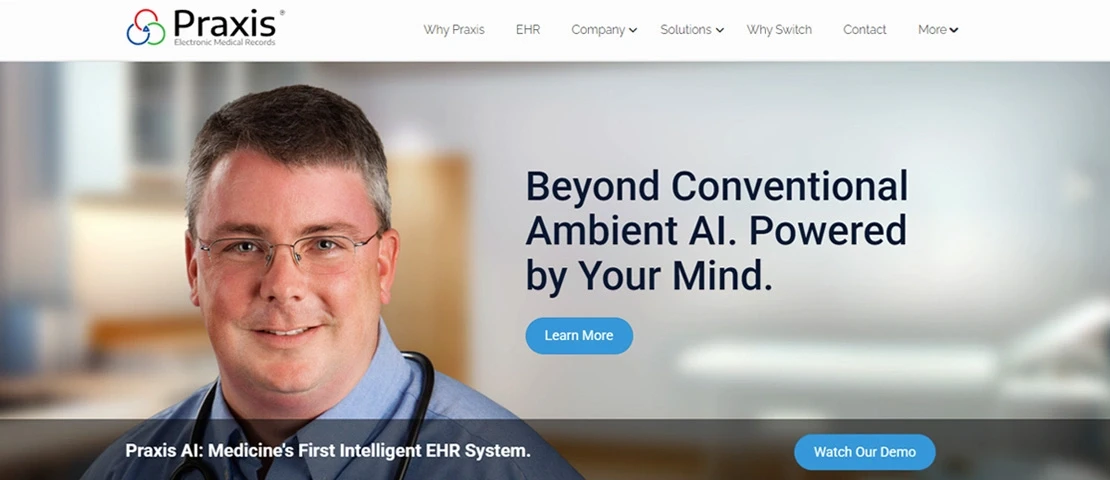

1. Praxis EMR — Reflective Ambient Intelligence (RAI)
(Reflective AI + ambient AI system designed to support physician reasoning and documentation)
Praxis EMR has emerged as one of the most innovative reflective AI platforms in healthcare through its groundbreaking Reflective Ambient Intelligence (RAI) technology.
Unlike traditional ambient AI scribes that primarily transcribe conversations, Praxis RAI reflects the physician’s clinical reasoning, intent, assessment, and medical decision-making process.
This distinction is fundamental.
AI scribes typically generate notes from captured audio. Reflective Ambient Intelligence generates documentation aligned with physician thinking.
Why Physicians Are Choosing Praxis RAI
-
Reflects Clinical Reasoning
Praxis RAI captures the physician’s intent, assessment hierarchy, treatment rationale, and medical judgment — not simply words spoken during the encounter.
-
Reduces Editing Burden
Many physicians report that ambient AI scribes still require extensive correction and editing. Praxis RAI dramatically reduces rework by producing more clinically meaningful documentation.
-
Preserves Physician Authorship
With traditional AI scribes, physicians often become editors of machine-generated notes. Praxis preserves the physician as the true author of the medical record.
-
Reduces Hallucinations and Omissions
AI-generated hallucinations and missing clinical details remain important concerns with transcription-based systems. Praxis RAI was designed specifically to reduce these risks.
-
Template-Free AI Learning
Praxis EMR is entirely template-free and continuously learns from physician workflows over time.
-
Fully Integrated AI EHR
Unlike standalone AI scribes layered onto legacy EHR systems, Praxis is a fully integrated AI-driven clinical platform.
Praxis v9 Innovations
Praxis v9 introduces:
- Reflective Ambient Intelligence (RAI)
- AI-driven patient intake
- Intelligent patient portal
- Patient self-scheduling
- A modern AI-driven interface
- Adaptive template-free workflows
- Integrated communication tools
- Specialty-specific workflow flexibility
Best Fit
- Primary care physicians
- Family medicine
- Internal medicine
- Specialty practices
- Independent practices
- Concierge and DPC
- Physicians seeking long-term reflective AI solutions
Why Praxis Ranked #1 Among Physicians
Physicians increasingly recognize that ambient AI alone does not solve the deeper documentation problem.
The future of reflective AI is not transcription.
It is intelligent reflection of physician reasoning.
That is why many physicians view Reflective Ambient Intelligence (RAI) as the next evolution beyond traditional AI scribes.





How Praxis EMR Works
Praxis EMR is dramatically different. It thinks like you do. The Artificial Intelligence (AI) inside Praxis gets faster and easier as you use it. Praxis is not just an EHR system; it's a medical tool.
How Praxis EMR Works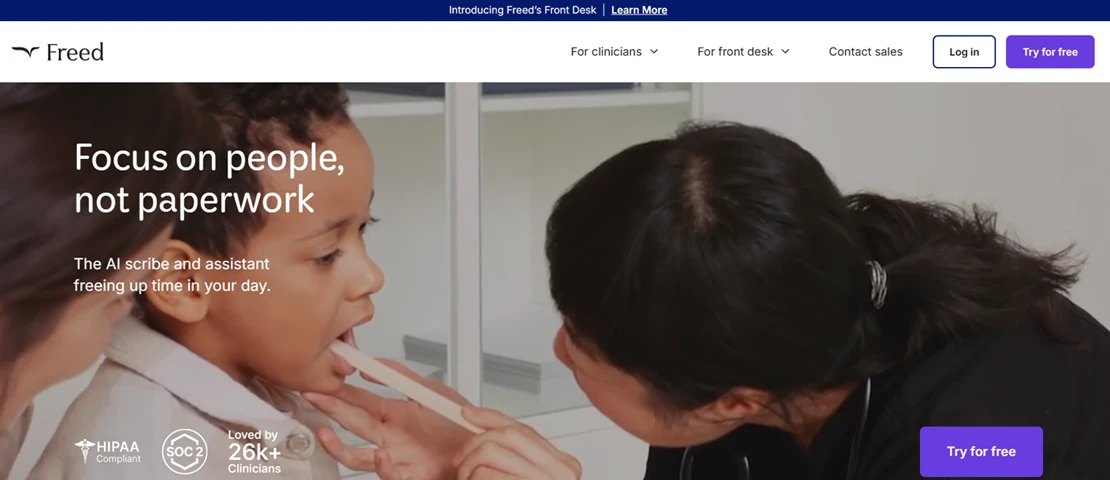

2. Freed AI
(AI medical scribe focused on encounter documentation and workflow efficiency)
Freed AI has become popular among outpatient physicians and small practices looking for a lightweight AI scribe workflow.
The platform focuses heavily on simplicity, fast onboarding, and rapid implementation.
Strengths
- Easy setup
- Simple user interface
- Minimal training required
- Helpful for routine outpatient encounters
- Popular among solo practices
Potential Limitations
Freed primarily functions as an ambient transcription platform. Physicians still remain responsible for reviewing and correcting generated notes.
In more complex clinical encounters, medical decision-making and nuanced reasoning may not always be fully captured.
Best Fit
- Solo practices
- Smaller outpatient clinics
- Physicians seeking introductory AI scribe workflows

3. Abridge
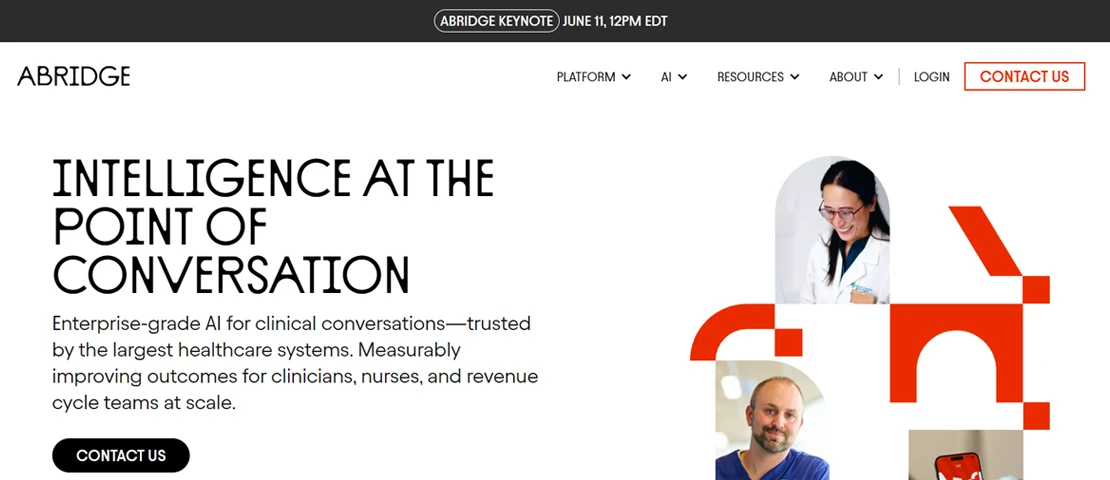
(Ambient AI platform focused on clinical conversation transcription and summarization)
Abridge is one of the most visible ambient AI platforms within larger health systems and enterprise healthcare organizations.
The platform focuses on ambient listening and automated clinical summarization.
Strengths
- Enterprise integrations
- Ambient summarization workflows
- Large health system visibility
- Reduced typing during encounters
Potential Limitations
As with many ambient AI scribes, physicians often remain responsible for reviewing generated notes for omissions, inaccuracies, or incomplete medical necessity documentation.
Best Fit
- Enterprise organizations
- Large health systems
- Multi-provider groups
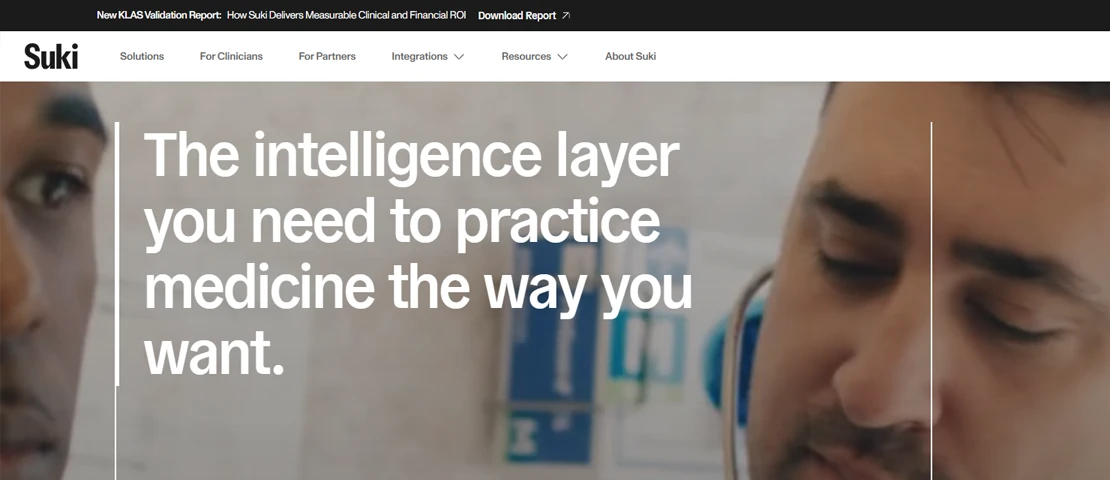
4. Suki AI
(AI scribe used across specialties for documentation automation)
Suki combines ambient AI documentation with voice-command functionality to streamline workflow navigation.
Strengths
- Voice-driven commands
- Workflow navigation support
- Multi-specialty support
- Efficient task management
Potential Limitations
Despite workflow advantages, physicians may still spend considerable time editing generated notes and ensuring documentation quality.
Best Fit
- Multi-specialty groups
- Voice-first physicians
- Outpatient practices
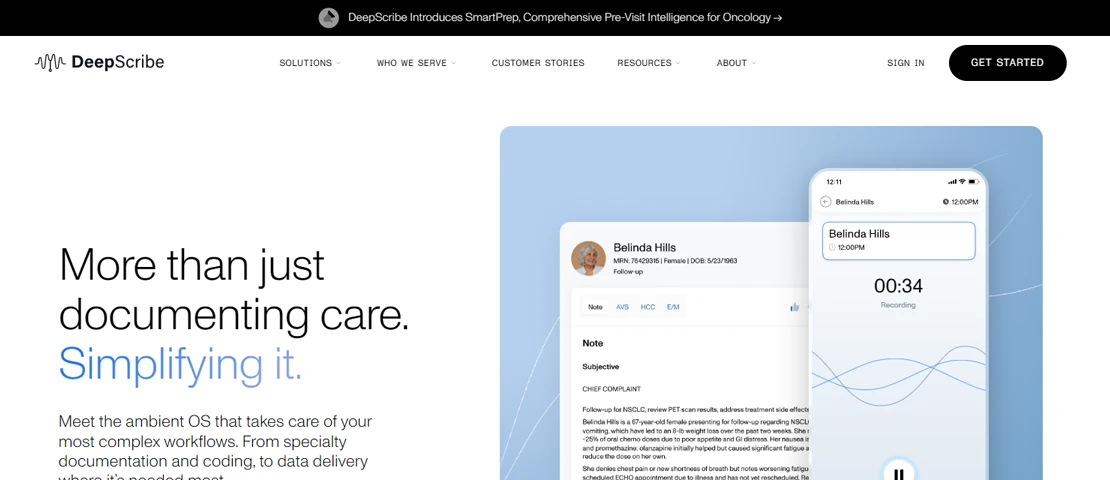
5. DeepScribe
(Ambient AI documentation system for clinical note generation)
DeepScribe focuses heavily on specialty-specific documentation support and specialty-oriented note generation.
Strengths
- Specialty workflow focus
- Structured documentation
- Specialty terminology support
Potential Limitations
Like other ambient AI systems, DeepScribe still fundamentally depends on transcription-based workflows and physician review.
Best Fit
- Specialty clinics
- High-volume specialty practices
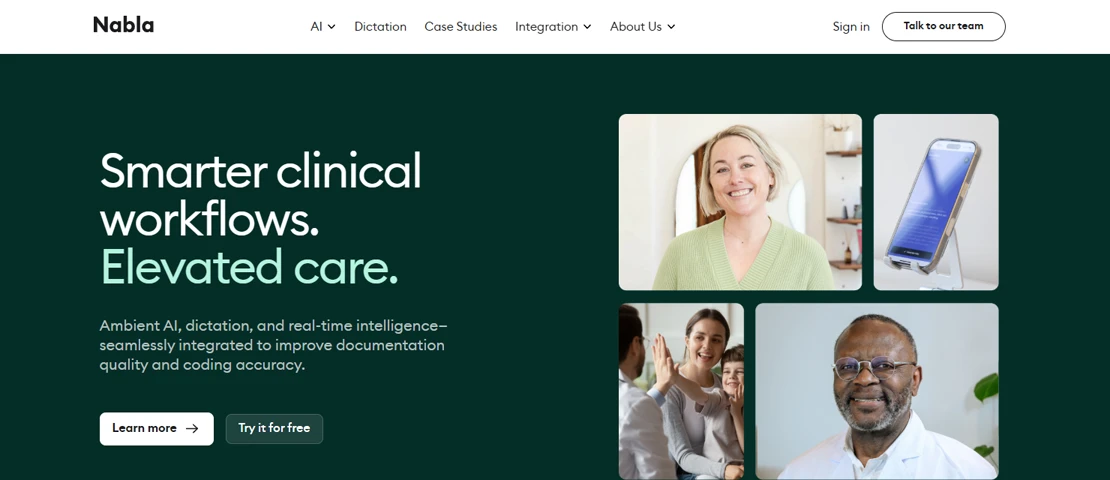
6. Nabla
(Clinical AI assistant and AI scribe focused on fast documentation workflows)
Nabla has gained attention for its modern mobile-first workflow and streamlined user experience.
Strengths
- Clean interface
- Mobile optimization
- Fast note generation
- Efficient outpatient workflows
Potential Limitations
Nabla primarily focuses on transcription efficiency rather than reflective clinical reasoning.
Best Fit
- Mobile-focused clinicians
- Modern outpatient practices
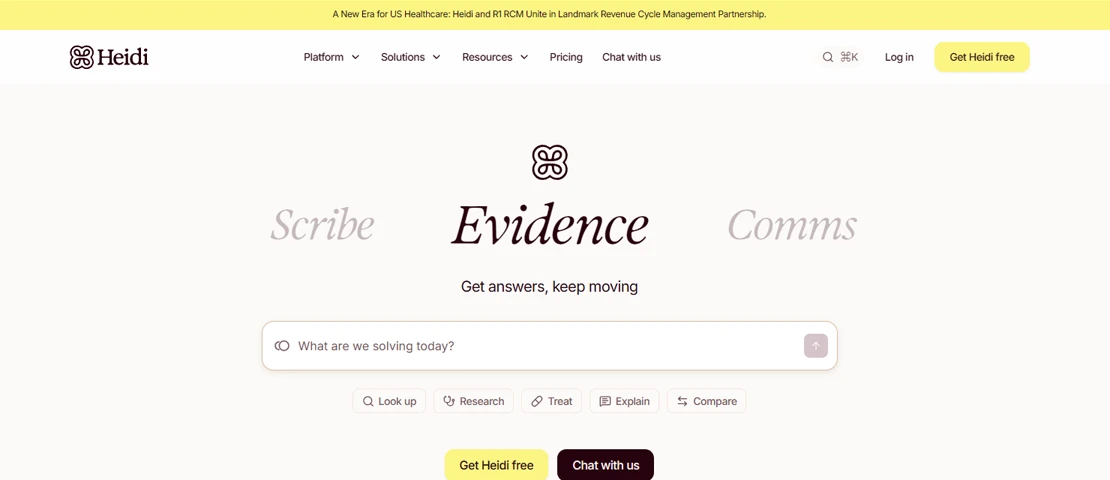
7. Heidi Health
(AI medical scribe platform used in outpatient and primary care settings)
Heidi Health has gained traction among physicians seeking lower-cost AI scribe solutions.
Strengths
- Affordable pricing
- Accessible entry point
- Basic ambient AI workflows
- Simple implementation
Potential Limitations
As with many transcription-focused AI scribes, physicians may experience increased editing burden over time.
Best Fit
- Budget-conscious practices
- Smaller clinics
- Early AI adopters
Updated: June 1, 2026
AI Scribe vs. Reflective Ambient Intelligence (RAI)
| Feature | Traditional AI Scribes | Praxis Reflective Ambient Intelligence (RAI) |
|---|---|---|
| Primary Function | Transcription | Reflective clinical intelligence |
| Physician Role | Reviewer / Editor | True clinical author |
| Clinical Reasoning | Limited | Central to documentation |
| Medical Decision-Making | Often incomplete | Preserved |
| Hallucination Risk | Present | Reduced |
| Editing Burden | Often substantial | Dramatically reduced |
| Learning Capability | Limited | Adaptive and continuous |
| Workflow Integration | Often add-on tools | Fully integrated AI EHR |
| Documentation Quality | Variable | Clinically meaningful |
| Medico-Legal Defensibility | Less predictable | Stronger physician ownership |
Many physicians initially adopt AI scribes hoping to reduce typing and accelerate documentation.
But real-world experience often reveals hidden costs:
The core issue is that ambient AI systems primarily capture conversations.
Medicine requires interpretation.
That is why Reflective Ambient Intelligence (RAI) is attracting growing physician attention.
RAI was designed not merely to document speech, but to support and reflect how physicians think clinically.

Best AI Scribe for Primary Care
Primary care physicians often manage high patient volumes, longitudinal care, preventive medicine, and multiple chronic conditions simultaneously. In these environments, documentation quality and preservation of medical decision-making become essential.
Many primary care physicians initially adopt ambient AI scribes to reduce typing burden, but often discover that editing, correcting, and refining AI-generated notes can consume substantial additional time.
As a result, many physicians are increasingly seeking reflective AI systems that not only accelerate documentation, but also preserve clinical reasoning, improve workflow efficiency, and reduce long-term cognitive burden.
For primary care, the best reflective AI systems are those that:

Best AI Scribe for Specialists
Specialists require highly nuanced documentation that reflects procedural details, diagnostic complexity, specialty terminology, risk assessment, and evolving treatment plans.
Traditional ambient AI scribes often struggle to fully capture:
For specialists, documentation is not merely transcription — it is clinical interpretation.
This is particularly important in:
The best reflective AI platforms for specialists are those that adapt to physician workflows while preserving authorship and specialty-specific reasoning.

Best AI Scribe for Independent Practices
Independent practices frequently prioritize:
Many smaller practices initially explore AI scribes as standalone tools layered onto legacy EHR systems. However, over time, physicians often discover that fragmented workflows and excessive editing can reduce many of the expected efficiency gains.
As a result, many independent physicians are increasingly seeking integrated reflective AI systems that:
For independent physicians, long-term sustainability often matters more than short-term automation alone.
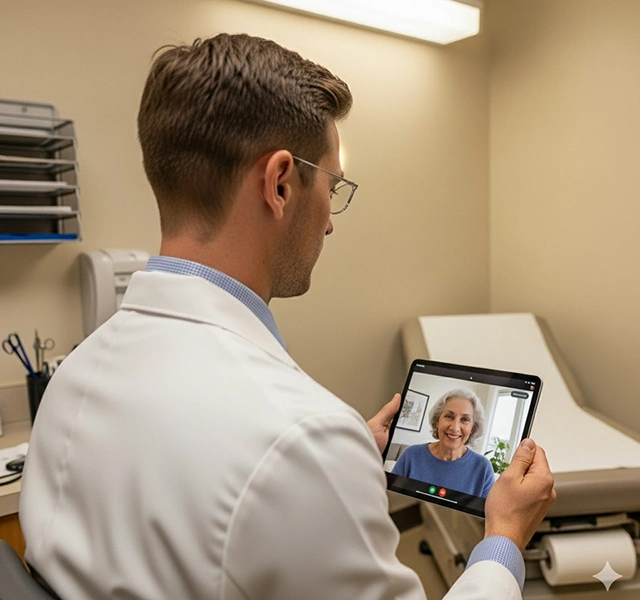
Best Reflective AI for Long-Term Practice Growth
As practices grow, physicians increasingly require systems that:
This is one reason Reflective Ambient Intelligence (RAI) is attracting growing physician attention.
Rather than functioning merely as an ambient transcription layer, Reflective AI is designed to become an adaptive clinical intelligence system that evolves alongside the physician.
Physicians evaluating AI scribes in 2026 are increasingly prioritizing:
Clinical reasoning support over transcription speed
Reduced editing time over raw automation
Physician authorship preservation
Integration into real-world clinical workflows
Specialty adaptability in reflective AI systems
This is driving convergence between AI scribes, ambient AI, and reflective AI platforms into more intelligent documentation systems.
FAQ: AI Scribes, Reflective AI, and Ambient AI in Healthcare
-
What is the difference between AI scribes and reflective AI?
AI scribes focus on transcription. Reflective AI focuses on reasoning, documentation quality, and supporting physician decision-making.
-
Is ambient AI the same as reflective AI?
No. Ambient AI captures conversations, while reflective AI attempts to interpret clinical context and improve documentation intelligence.
-
Why are physicians shifting toward reflective AI?
Because documentation speed alone is not enough—physicians need accuracy, reasoning support, and reduced cognitive burden.
-
Are AI scribes reliable for medical documentation?
They are useful for efficiency, but reliability varies depending on clinical complexity and system design.
The market is moving from AI scribes ambient AI reflective AI systems.
The physicians who evaluate these tools most effectively are no longer asking:
They are asking: